
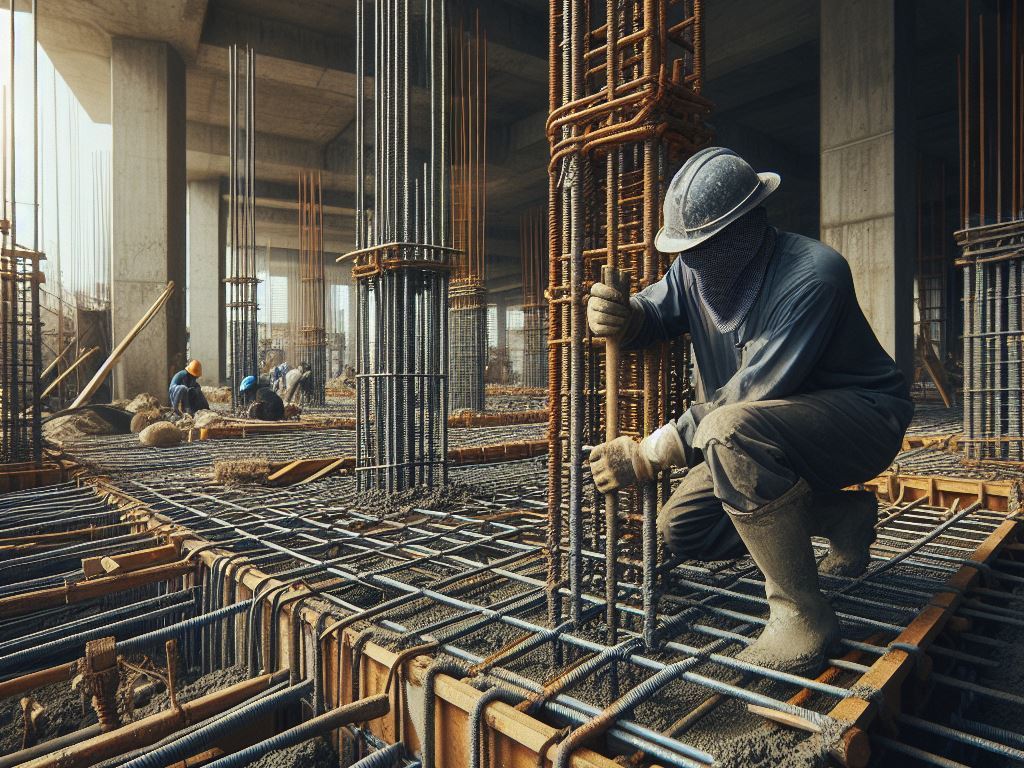
12 Steps of Construction: A Comprehensive Overview
The construction process is a complex and intricate undertaking that involves a multitude of steps. From clearing the ground to pouring the concrete, each stage plays a crucial role in bringing a building to life. In this blog post, we will delve into the 12 key steps of construction, providing a comprehensive overview of the process.

1. Clearing the Ground
The first step in any construction project is to clear the ground of any obstructions or debris. This includes removing trees, bushes, and other vegetation, as well as leveling the terrain. Temporary facilities such as offices, storage sheds, and water and electricity connections should also be established during this phase.
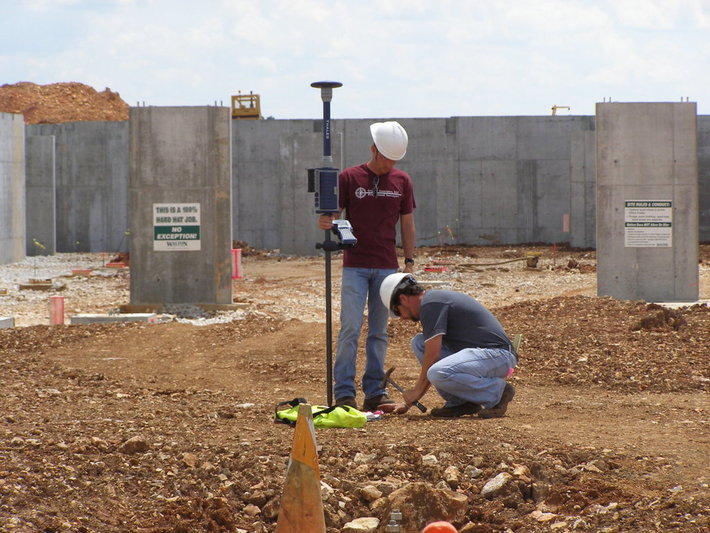
2. Site Layout and Staking
Once the ground has been cleared, the next step is to establish the site layout. This involves setting up reference points and grid lines, as well as marking the gate level. The reference points should be clearly marked and should not be disturbed throughout the construction process. The grid lines should be laid out according to the approved plans, and they will serve as a guide for all subsequent construction activities.
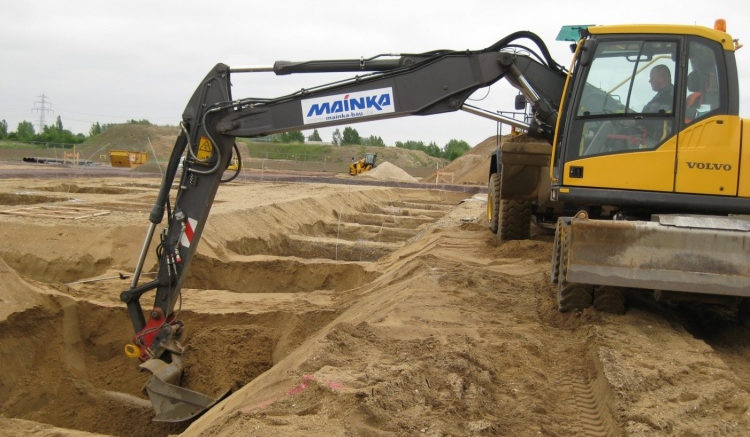
3. Excavation
The excavation phase involves digging out the ground to create the foundation for the building. The depth of the excavation will depend on the recommendations of the soil investigation report. It is important to exercise caution during this stage, as excavation can be a hazardous activity. If the excavation is close to an existing structure, shoring support may be necessary.
4. Compacting and Laying of PCC
Once the excavation is complete, the excavated surface should be compacted. A layer of crushed gravel is then added and compacted as well. The final compacted layers should be checked to ensure that they have reached the desired degree of compaction, which is typically 95% of the maximum dry density. Anti-termite treatment may also be applied to the ground at this stage.
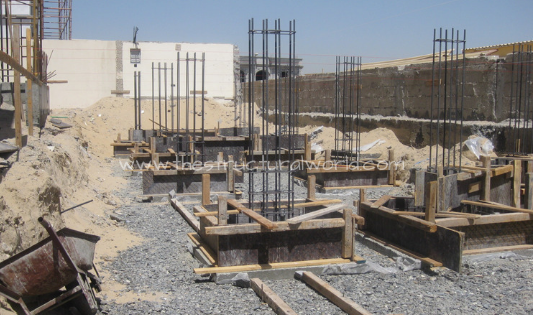
5. Foundation Rebar and Column Starter Bars
The next step is to install the rebar for the foundation and any foundation beams. The reinforcement should be prepared according to the structural schedule, and the formworks should be constructed to ensure that the concrete cover is adequate. Starter bars for the columns should also be installed before the concrete is poured.

6. Concreting of Foundations and Column Rebar Installation
Once the rebar has been installed, the foundations can be concreted. The concrete should be properly vibrated to ensure that it is evenly distributed throughout the footings. Column reinforcement can then be installed on the previously installed starter bars. Adequate concrete cover should be maintained before closing the formworks for the substructure columns. An additional concrete cover of at least 50 millimeters should be considered up to plinth level to protect the rebar from possible corrosion due to sulfate attack.
7. Concreting of Column and Bitumen Paint Applications
Once the concreting of the stub columns has been completed, the concrete should be allowed to dry completely. Then, at least two coats of bitumen paint should be applied to both the footings and the stub columns. Bitumen paint helps to absorb moisture from the soil and prevent it from seeping into the substructure concrete.
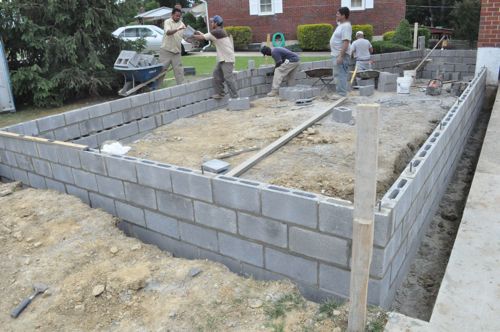
8. Setting Up Perimeter Blocks
Solid blocks should be installed along the perimeter of the project to establish a boundary between the inside and outside edges. This is also helpful when there is a significant difference in elevation between the inside floor finish level and the outside pavement or ground level. Two coats of bitumen paint should also be applied to the perimeter blocks. In some cases, perimeter blocks may not be necessary, especially in areas with firm soil characteristics.

9. Backfilling and Compacting
Once the substructures, including the foundation structures and the solid blocks, have been installed, backfilling and compacting should take place. Backfilling and compacting should be done partially to ensure that the required degree of compaction has been met until reaching the bottom of the tie beam level.

10. Tie Beam Reinforcement, Grade Slab, and Concreting
The next step is to prepare and install the tie beam reinforcement according to the approved drawings. Formworks with standard concrete cover should also be included in this stage. Once the reinforcement works have been completed, the concreting can begin. Installing of grade slab mesh in concrete work is then to be followed.

11. Rebar Works and Concreting of Columns
At this stage, the substructure component of the project has been completed. It is now time for the project to go up. The next thing to consider is the rebar works, shuttering or formworks,
 engineers.place