
Artificial Intelligence and Its Impact on the Construction Sector
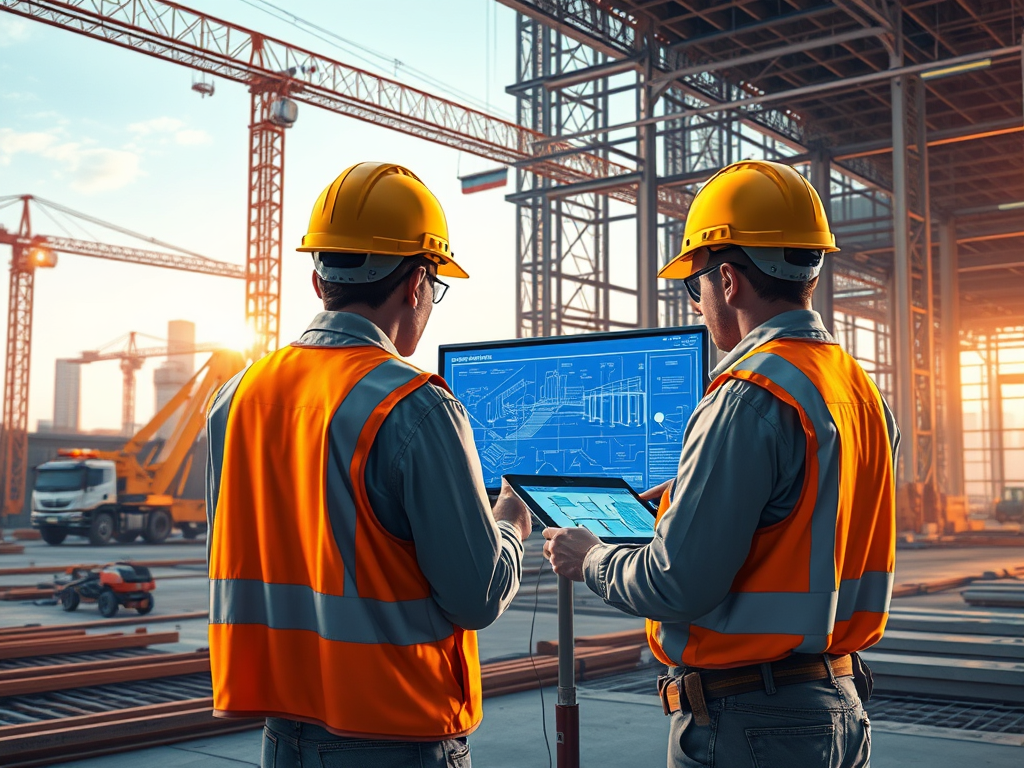
Artificial intelligence (AI) has become an unstoppable force in today’s world, infiltrating nearly every aspect of human life. However, one area where AI has been particularly booming recently is the construction industry. As this $10 trillion industry propels itself into faster-paced and more digitized environments, many traditional methods are being disrupted by AI. Let’s take a look at how AI is transforming the industry from start to finish.
Planning & Design: More Efficient and Innovative Solutions
As every architect knows, design is never a linear process. With so many back-and-forth movements and parameters such as dimensions, scale, layout, accessibility, and carbon footprint, AI has the ability to alter these parameters and meet the specific demands of the user, creating an outcome that maximizes design potential. In fact, a survey of over 2,000 design professionals found that 55% had already embraced or started experimenting with AI. AI-powered tools help architects find the most efficient and cost-effective solutions by analyzing thousands of plans and utilizing them in the design development stages.
Site Safety: AI Detecting Hazards in Real-Time
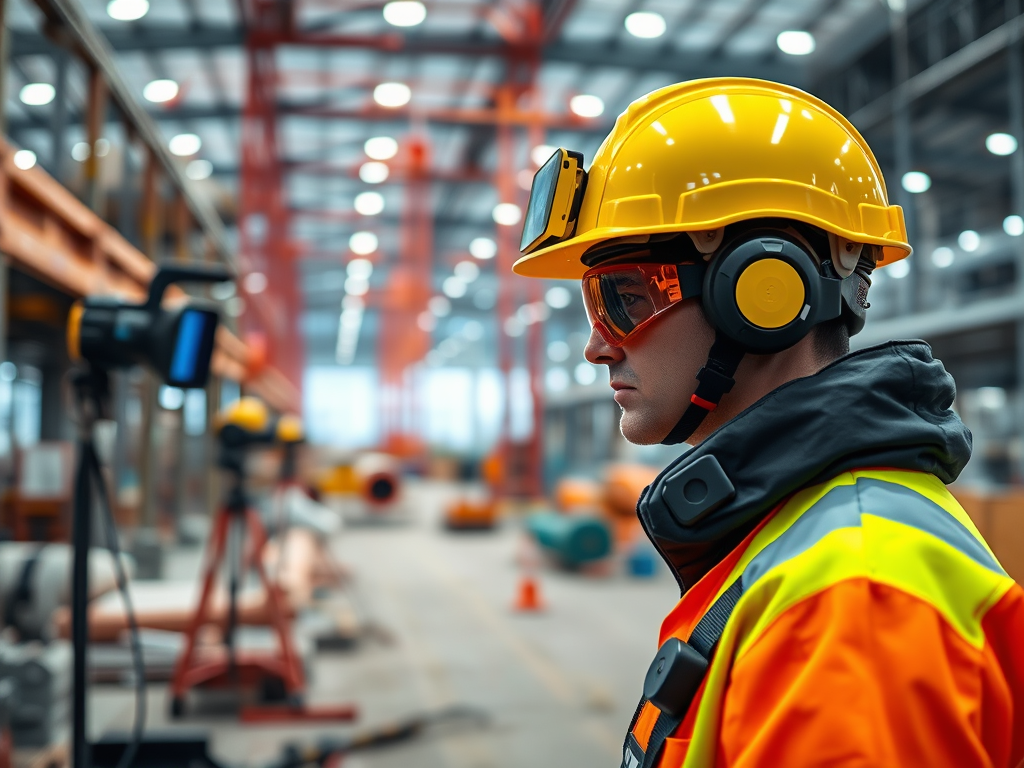
Construction workers face various risks, including dealing with heavy machinery, working from heights, and contact with hazardous materials. Ensuring the safety of every individual can be a challenge. AI-powered cameras, however, provide a solution. These cameras can continuously scan the site and use image recognition algorithms to detect potential safety hazards. For example, companies like Basic AI use this technology to identify when a worker forgets to wear a helmet and immediately alert the site manager. AI can also detect unsafe scaffolding, issues with water logging, and analyze data from past projects to predict potential safety problems.
Maintenance: Predicting Equipment Failures Before They Happen
Unexpected machinery breakdowns are another major issue on construction sites, leading to significant project delays and cost overruns. Equipment like cranes and bulldozers are vital to the construction process. Caterpillar, for example, applies AI-driven predictive maintenance technology. This system uses AI algorithms to analyze data from sensors in machinery to predict when equipment might fail or require maintenance. By monitoring factors such as temperature, vibration, and sound, AI can identify anomalies, like unusual vibrations in the engine, allowing for more efficient and reliable maintenance strategies.

Risk Assessment: Identifying Potential Hazards with AI
Construction risk assessments aim to identify dangerous factors in a project. Tools like Construction IQ are able to prioritize issues and assess risks, such as the potential consequences if a concern goes unaddressed. Companies like Autodesk utilize Construction IQ to collect data from programs such as BIM 360 Field, a cloud-based construction field management software that keeps office and field teams in sync. The software applies machine learning and analytical techniques to transform data into actionable insights, helping to sort through thousands of issues and classify them as high-risk when they involve dangers like falls, water hazards, or overdue safety inspections.
Sustainability: AI for a Greener Future in Construction
With the current climate crisis and the immense carbon footprint of building materials, the construction industry accounts for 38% of global energy consumption. In response, AI technology offers innovative solutions, such as energy modeling software to simulate a building’s energy use, smart grid technologies to adjust lighting and HVAC systems, and the ability to choose sustainable materials based on their life cycle. Companies like Building IQ use AI to reduce HVAC energy consumption by 10-25%, while CarbonCure uses AI to analyze data from concrete production and injects carbon dioxide into the concrete mix, where it is chemically converted into a mineral.
Automation: Autonomous Vehicles Taking Over Construction Sites
Another crucial area where AI plays a significant role is the use of autonomous vehicles in construction. Through machine learning, AI algorithms analyze data from LiDAR and GPS sensors to create detailed maps of construction sites and detect obstacles. Equipment such as excavators and bulldozers can be autonomously controlled, reducing human intervention. Built Robotics and Caterpillar are examples of companies that offer fully autonomous excavators and autonomous mining trucks, respectively. These vehicles are transforming the way construction projects are completed.
Concerns & Issues: The Challenges of AI Integration
While AI offers many benefits to the construction industry, there are also several challenges and concerns. One of the main concerns is the potential replacement of human workers. For example, in April 2024, more than 65,000 people in the U.S. construction industry lost their jobs due to AI integration. Another issue is the reliability of AI technology, as it is not infallible and could compromise worker safety if not properly managed. Finally, the security and privacy of the data being analyzed are concerns, as it could be vulnerable to cyberattacks.
Conclusion: The Future of AI in Construction
Despite these challenges, the integration of AI into the construction industry presents many exciting opportunities. The question of whether AI will completely replace human labor is still up for debate, but the transformative power of AI in construction is undeniable. As technology continues to evolve, we will see how far AI will go in shaping the future of this industry.
 engineers.place