

Artificial Intelligence (AI) is rapidly changing industries worldwide, and the construction sector is no exception. However, discussions about AI in construction often focus on futuristic projections—claims that AI will completely revolutionize scheduling, quality control, and even replace jobs within five years. While these statements generate buzz, many are speculative and unlikely to be entirely accurate.Instead of discussing hypothetical scenarios, this article focuses on the real-world applications of AI in construction management—tools and technologies that companies are already using and paying for because they generate tangible value. Let’s explore some of the most impactful AI-driven innovations in the industry today.
1. Boston Dynamics’ Site Inspection Robot
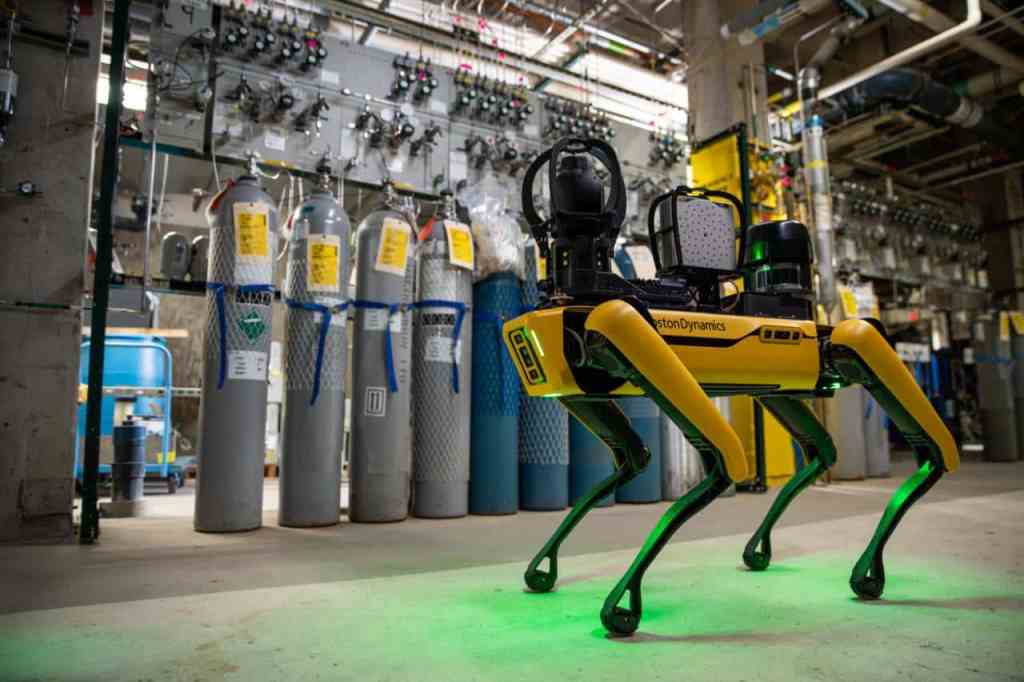
One of the most advanced AI applications in construction is Boston Dynamics‘ robotic dog, Spot. This autonomous robot is designed for site inspections, walking through construction sites and using LiDAR and cameras to scan and document progress with high precision. The robot can navigate complex environments, gather real-time data, and reduce the need for human workers to enter hazardous or hard-to-reach areas.For example, if a drainage pit requires inspection, instead of sending a worker through a confined space with all the associated risks, Spot can be deployed to complete the task safely. This not only improves safety but also enhances the accuracy of project tracking by capturing high-resolution scans of the site’s progress.
2. Doxel: AI-Driven Quality Control and Progress Monitoring
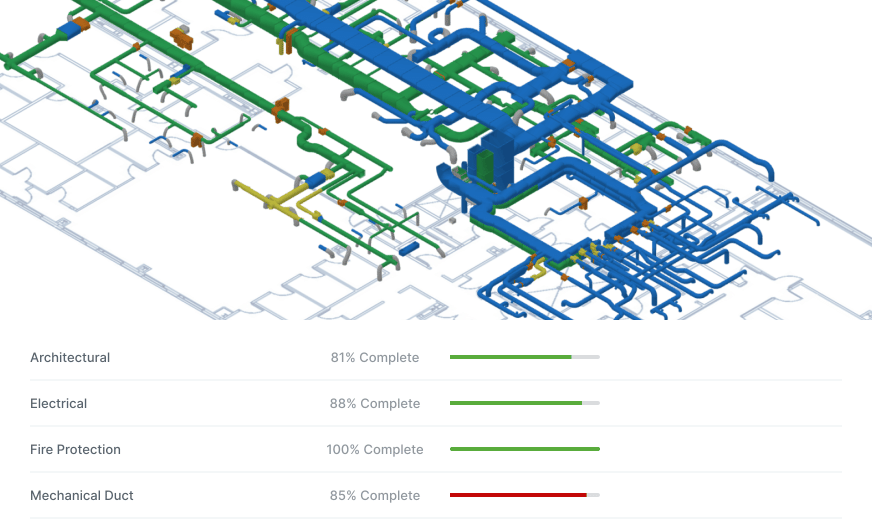
Doxel is an AI-powered platform designed to perform site inspections, monitor construction progress, and conduct quality control checks. Using autonomous drones and ground robots, Doxel scans construction sites and generates detailed progress reports.What makes Doxel particularly powerful is its backend software, which maps the entire structure of a building. By analyzing these scans, Doxel provides insights into exactly what has been installed, what is missing, and how the project is progressing in real-time. This level of detail helps project managers make more informed decisions, reducing delays and improving overall efficiency.
3. Buildots: AI-Powered Computer Vision for Real-Time Monitoring
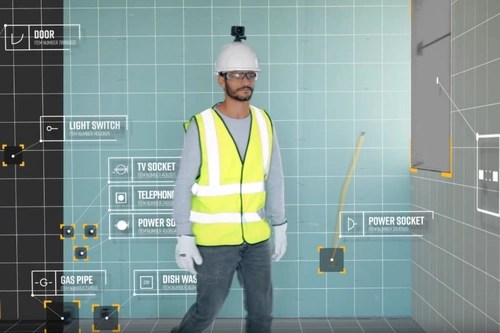
Similar to Doxel, Buildots leverages AI-powered computer vision technology, but instead of using mobile robots, it relies on cameras strategically placed throughout a construction site. These cameras continuously capture data, tracking progress and identifying any deviations from the planned schedule.For instance, Buildots can determine whether a door has been installed, whether a room has been painted, or whether any defects are present in the work completed. The system organizes this data into a centralized dashboard, offering highly detailed progress reports. This enables project teams to detect and resolve issues early, preventing costly rework and delays.
4. Alice Technologies: AI-Powered Scheduling with Uncertainty Analysis
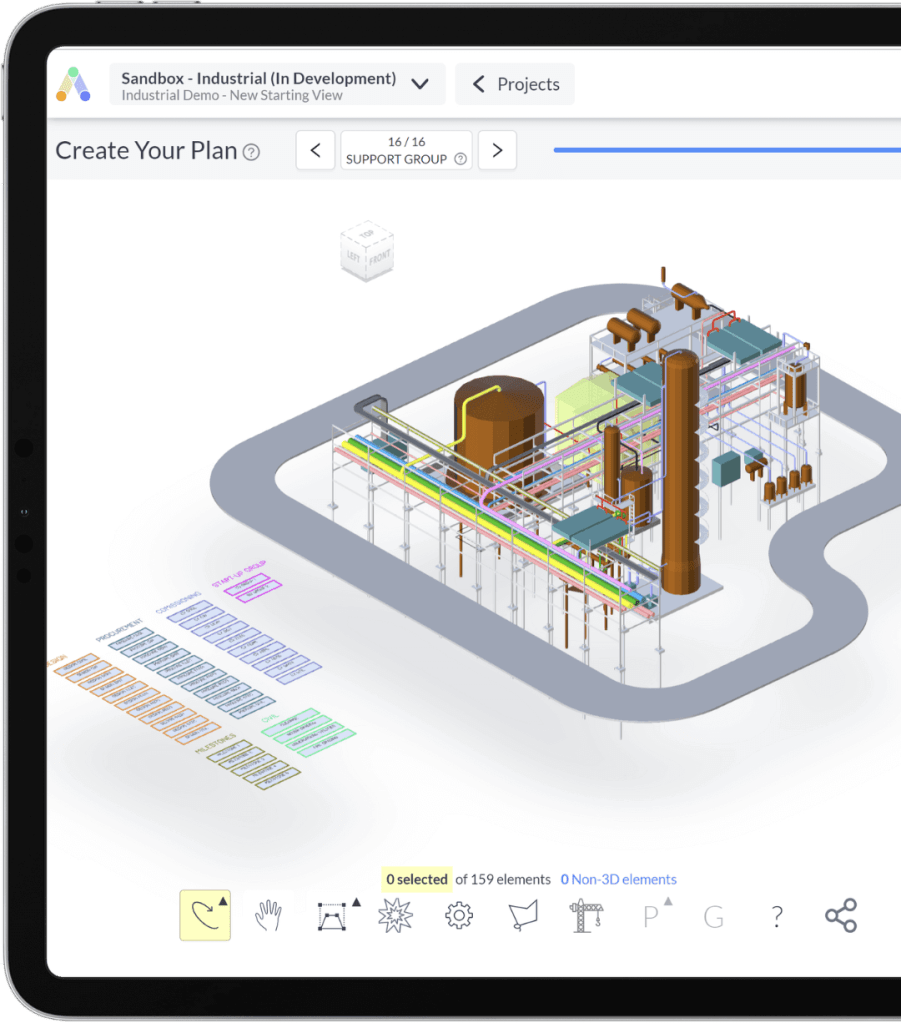
Alice is an AI-driven construction scheduling software that introduces uncertainty analysis into project planning. Traditional scheduling relies on assumptions about how work will progress, often failing to account for unexpected challenges. Alice addresses this issue by simulating multiple scheduling scenarios based on constraints, risks, and different decision paths.For project managers, this means they can explore a variety of “what-if” scenarios, better anticipate potential delays, and adjust project plans accordingly. Alice ultimately helps improve scheduling accuracy and reduces risks associated with unforeseen disruptions.
Addressing the Data Challenge in AI-Powered Construction
One of the key takeaways from these AI tools is that most of them focus on data collection and analysis. The real challenge in construction isn’t a lack of AI technology—it’s the availability and quality of data. Many projects either have vast amounts of irrelevant data or insufficient useful data to drive better decision-making.AI-powered tools like Doxel, Buildots, and Boston Dynamics’ Spot are solving this issue by providing structured, actionable insights. However, the industry still faces challenges in integrating AI effectively due to data fragmentation, outdated record-keeping methods, and resistance to adopting new technologies.
The Future of AI in Construction: Opportunities and Challenges
While AI is already delivering significant benefits to construction management, there are still obstacles to overcome. One major concern is whether AI will replace human jobs in the industry. In reality, AI is more likely to augment human capabilities rather than replace them—improving efficiency, safety, and decision-making rather than eliminating roles entirely.Security and privacy are also major considerations. AI relies on vast amounts of project data, and if not properly managed, this data could be vulnerable to cyber threats. Ensuring robust cybersecurity measures will be critical as AI adoption grows.
Conclusion: AI’s Real-World Impact on Construction Today
AI is no longer a futuristic concept in construction management—it is actively reshaping the industry today. From autonomous site inspection robots to advanced scheduling software, these AI-driven innovations are helping project managers improve efficiency, enhance safety, and reduce costs.While challenges remain, the value AI provides is undeniable. By leveraging AI-powered tools, the construction industry can streamline operations, mitigate risks, and ultimately build smarter, safer, and more efficient projects.As AI technology continues to evolve, its role in construction will expand even further, but for now, its impact is already making a significant difference in the way projects are managed and executed.
 engineers.place